River & Desert
River & Desert
River & Desert
An orphan's Atlantic crossing, a wagon trail into the desert, and the water that made towns possible.
I
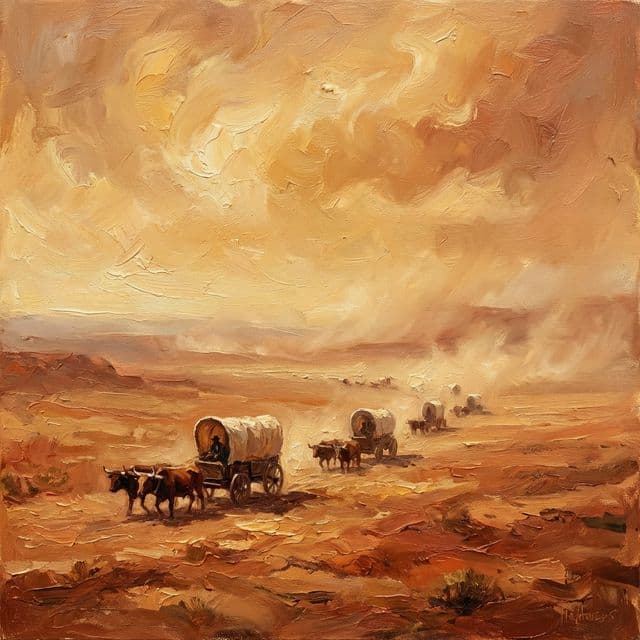
n the fall of 1882, a man with failing lungs loaded his wife and children into a wagon and pointed south toward Arizona. William Nicholas Goodman was forty years old, an English carpenter who had crossed the Atlantic two decades earlier with nothing but his younger brother and a convert's faith. He had built homes in Utah. Now Utah's cold was killing him. [S7]S7 — Archived WebsiteKindredPast: The Goodman Family of St. David, Arizona (Archived)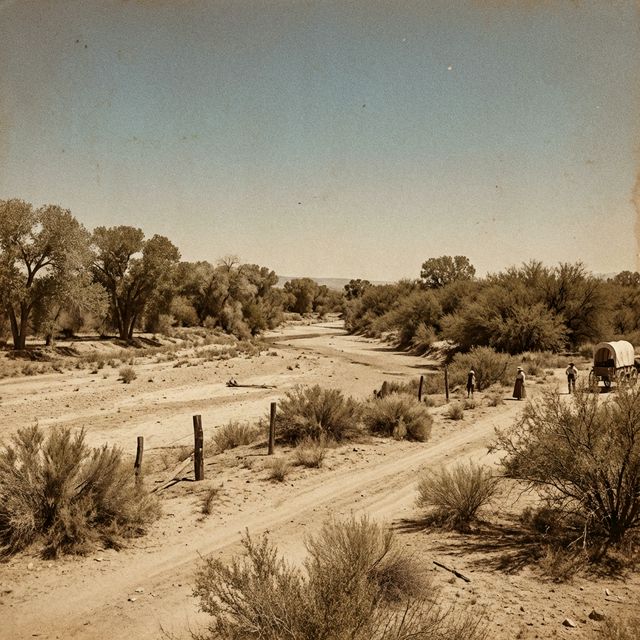
They stopped first in Mesa, then pressed on to St. David, a tight-knit farming settlement in the San Pedro River Valley, named for the Mormon leader David P. Kimball. Margarett's sister Maria had already settled there with her husband Joseph McRae. Near the cemetery, William and his sons molded adobe bricks by hand, cut mesquite, and dug irrigation ditches. They planted wheat and barley in desert soil.
[S27]S27 — UnknownSource: S27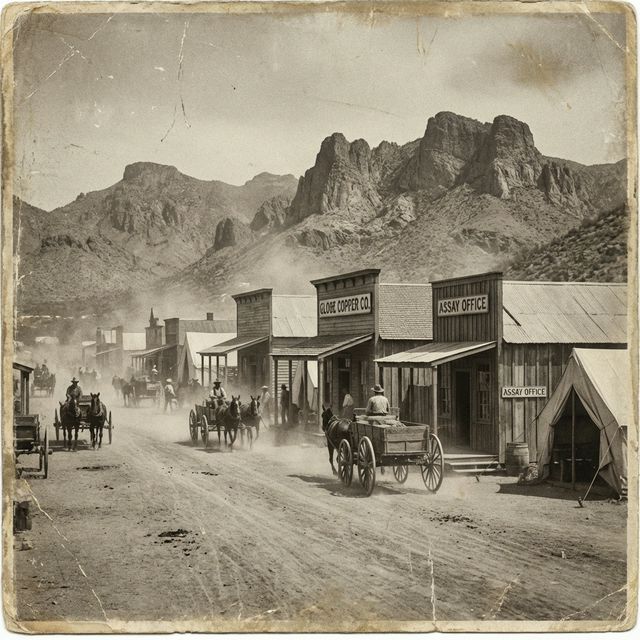
Profile: William Nicholas Goodman
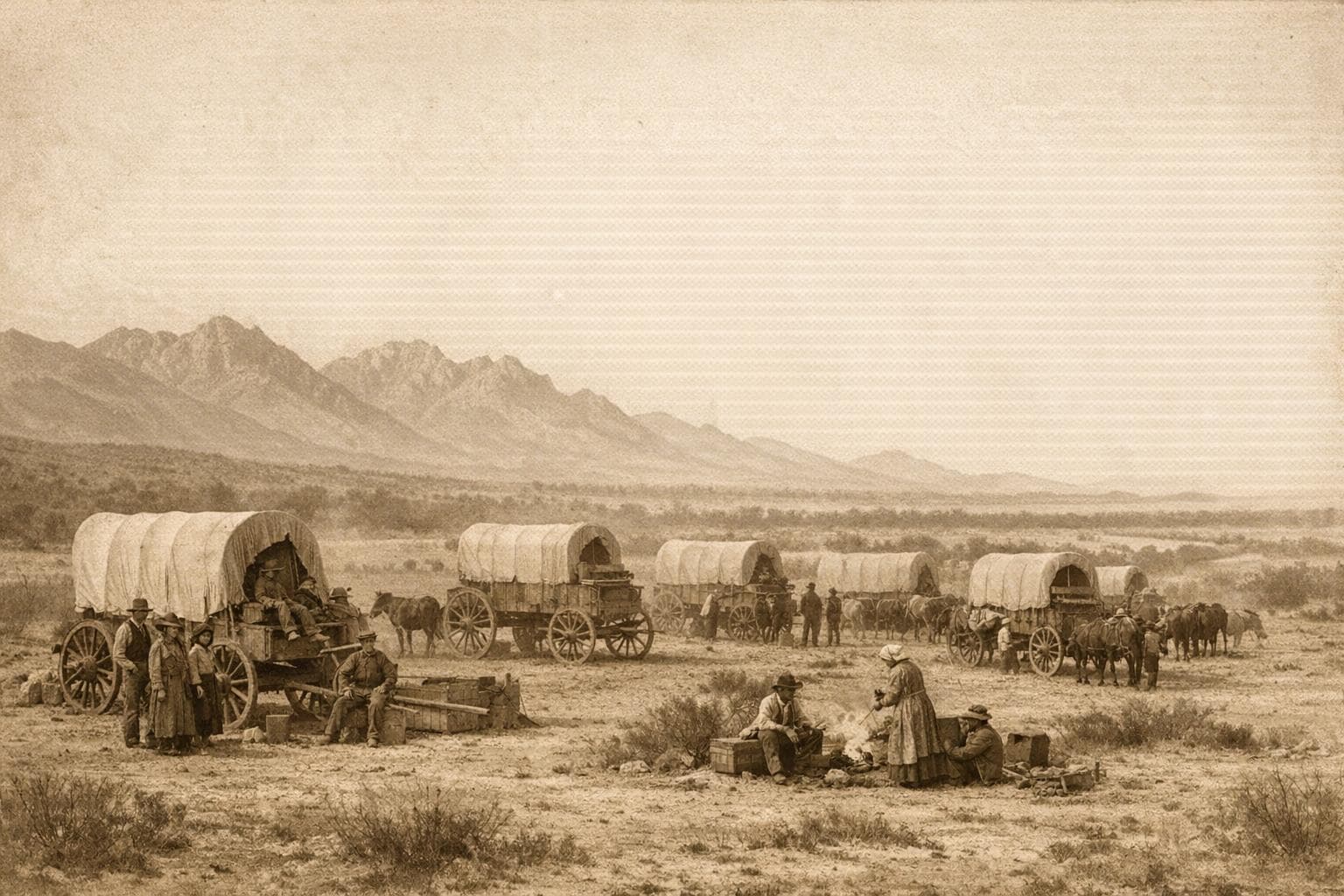
William died on March 8, 1885, three years after arriving, at age forty-three. His death could have ended the Goodman story in Arizona. Instead, his widow Margaret Ann stayed, anchoring the family in the harsh desert environment that had claimed her husband.
[S7]S7 — Archived WebsiteKindredPast: The Goodman Family of St. David, Arizona (Archived)