Reimagining Old Tucson
Old Tucson Studios is looking for a new operator. Here is a creative pitch to revive and reimagine the iconic film set.
The news that American Heritage Railways
will not renew its lease at Old Tucson Studios marks a critical turning point for Southern Arizona's history. Since Columbia Pictures built the town in 1939 for the film Arizona, the site has served as the background for classic movies starring John Wayne, Clint Eastwood, and Paul Newman. It is a legendary monument to the mythos of the American West. The transition in 2027 represents a danger of permanent closure, yet it also presents an opportunity to rescue the studio from aging theme park tropes and establish a sustainable model for preservation.View Public Response Scan▼

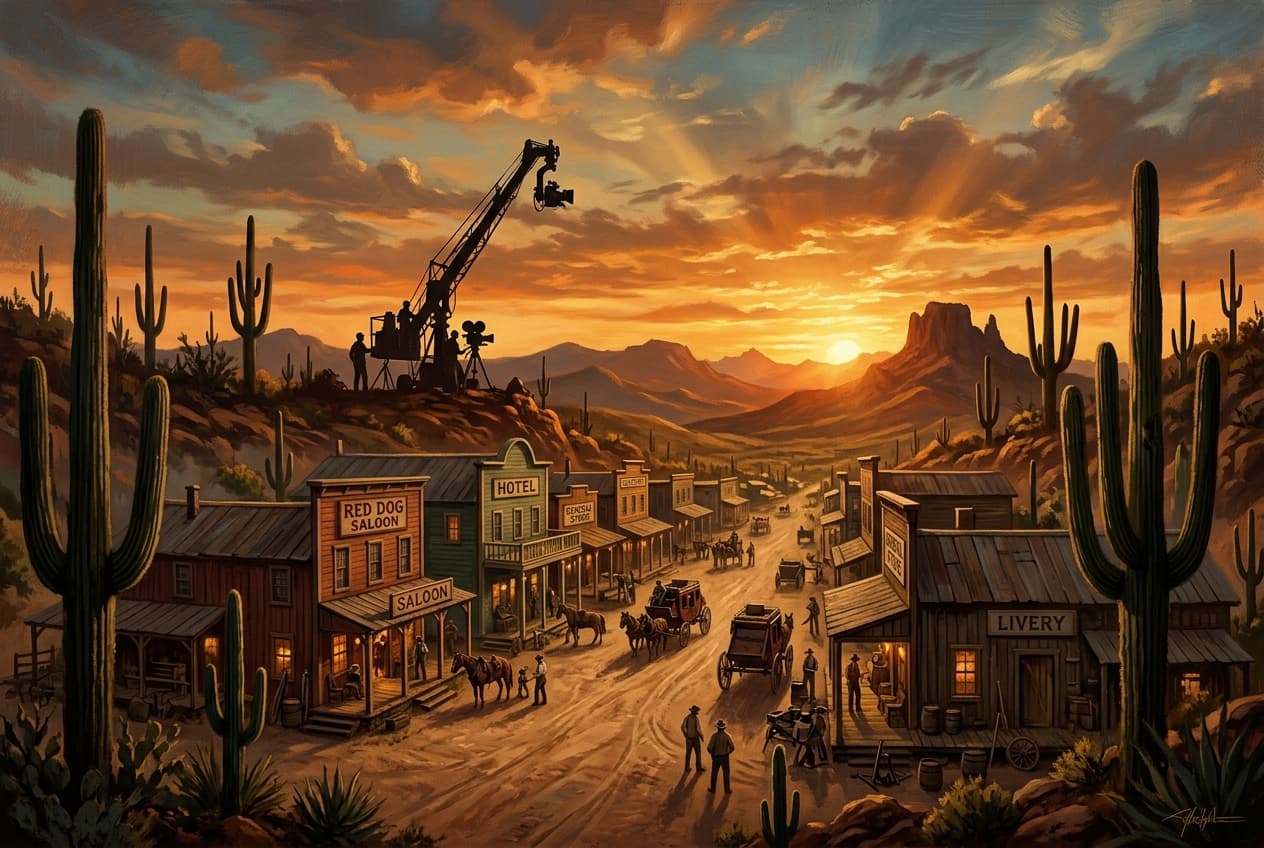
The True Frontier: By the Numbers
The actual history of the American West differs from the simplified versions depicted in mid-century cinema:
- 25 Percent: A quarter of all historical cowboys were Black, many of them Exodusters escaping the Jim Crow South for the autonomy of the open range.
- 30 Percent Plus: Mexican Vaqueros pioneered the gear, techniques, and terminology that established the American ranching industry.
- 51 Years: Western territories granted women the right to vote and own property decades before the East Coast, with Wyoming doing so 51 years before the 19th Amendment.
Instead of displaying passive museum exhibits, a revitalized Old Tucson must integrate these historical demographics into a living town.
A Living Studio, A Living Town
For decades, the standard theme park model has relied on static gunfight shows, overpriced souvenir shops, and seasonal festivals. This formula has struggled to maintain profitability under modern hospitality expectations. The key to saving Old Tucson is returning it to its original purpose: an active, working movie studio that invites visitors into the production process.
Instead of treating the Western film genre as a relic of the mid-twentieth century, the studio can position itself as a sandbox for modern storytelling.
1. Active Production Residency
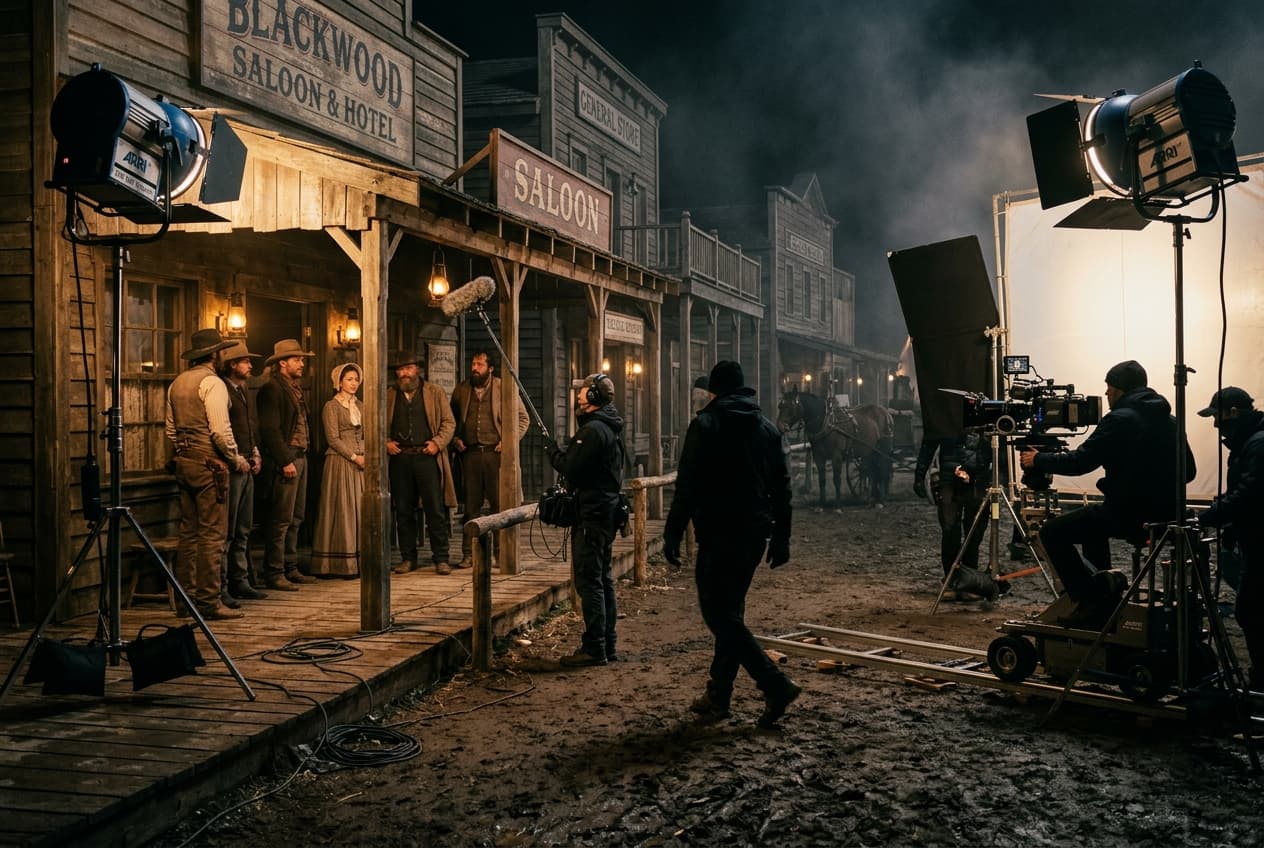
By constructing modern soundstages and equipping the existing historic facades with silent, energy-efficient LED lighting and digital power lines, Old Tucson can attract independent film and television productions. Visitors would watch film sets in operation from designated viewing zones, experiencing the practical mechanics of movie-making first-hand.
2. Immersive Narrative Theatre
Drawing inspiration from modern live-performance spaces, the town can transition into a giant, interactive roleplay experience. Rather than watching actors from behind a rope, guests can step into the dusty streets of 1880s Arizona as active participants. They can take on roles, solve historical mysteries, and interact with a cast of resident performers in a living, breathing economy.
3. Immersive Characters: Show, Don't Tell
Visitors will experience a historically accurate frontier town through interactive resident characters:
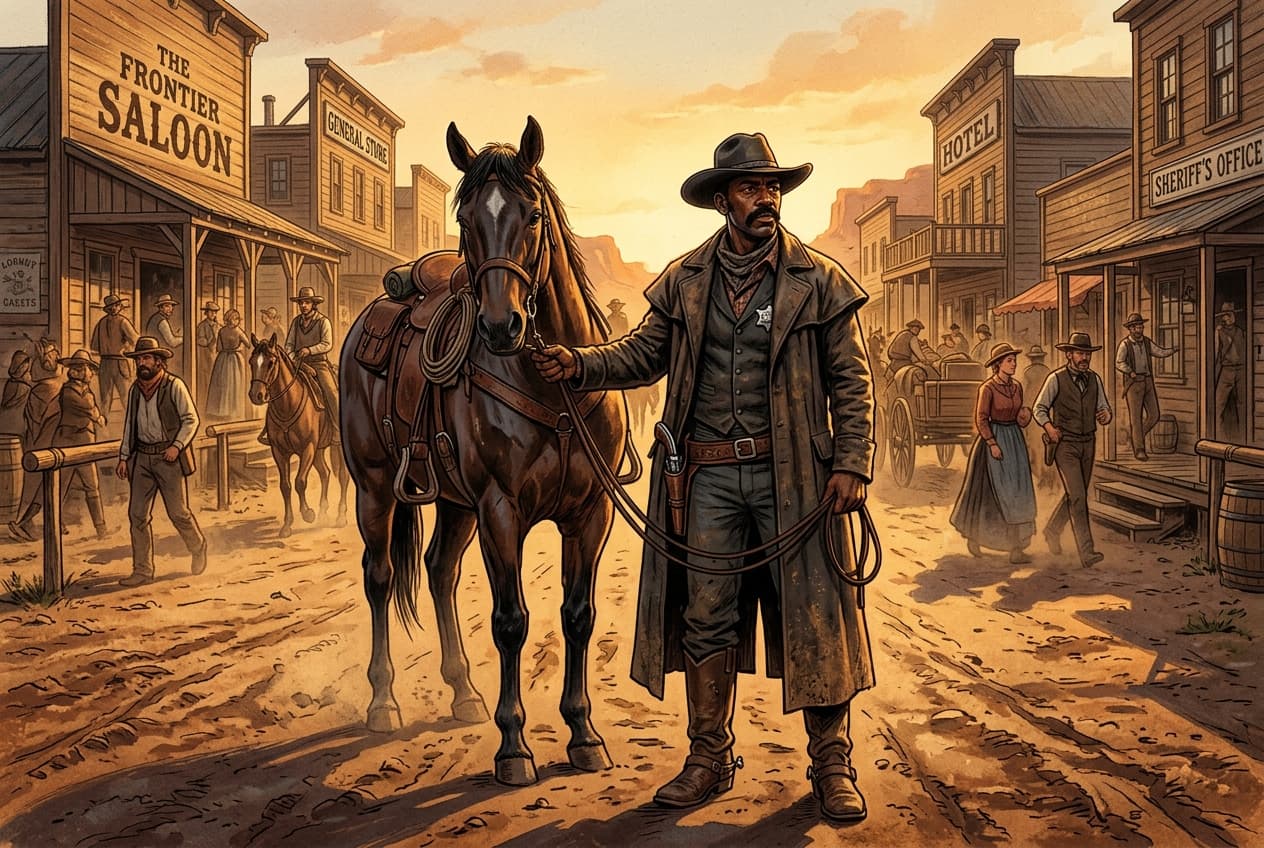
- The Lawman: A daily stunt show featuring a Deputy U.S. Marshal modeled after Bass Reeves, the real-life Black lawman who inspired the Lone Ranger.
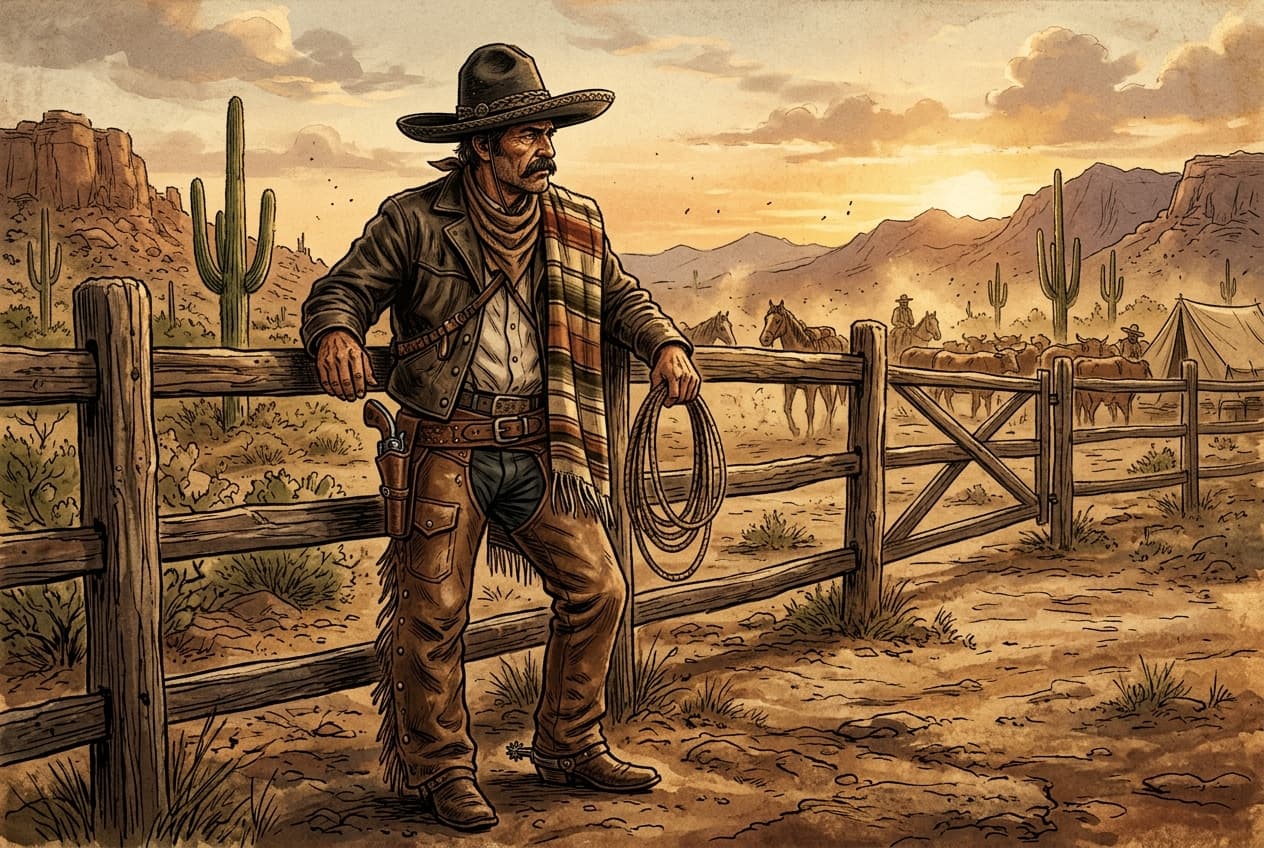
- The Trail Boss: A master Vaquero managing the town's ranching operations, showcasing traditional horsemanship and roping skills.
- The Female Founders: Women operating the town bank and mercantile business. This directly mirrors Arizona family history. In 1885, Margaret Ann Taylor was widowed with a newborn and five dollars. She started selling soap from her front room, eventually acquired the town store, ran a mercantile business for thirty years, and served as postmaster of St. David for two decades.
- The Capable Survivors: A telegraph operator who is an amputee Civil War veteran, and a saloon owner who uses a period-accurate wheelchair. The frontier was physically brutal, but injury did not end a person's utility. Margaret Ann Taylor spent her final six years in a wheelchair, yet she continued to travel alone by train to manage her affairs.
- The Outcasts: A town assayer who is an eccentric geologist and neurodivergent savant whose calculations determine the fortunes of the local silver mines.
4. Broadening the Frontier Lens
To support these character narratives, the studio must represent the full diversity of the historical West:
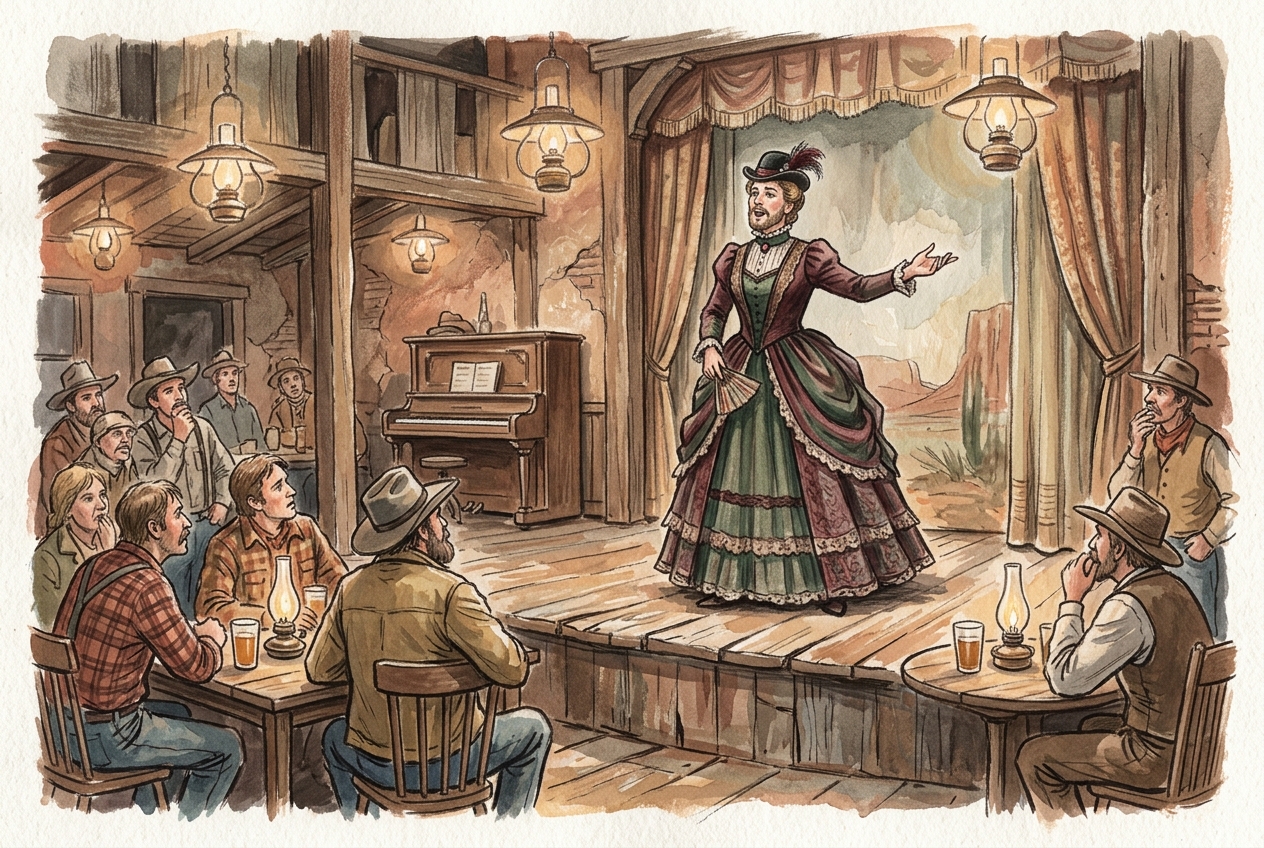
- Gender Performance: B. Morris Young, son of Mormon leader Brigham Young, toured Utah and neighboring territories in the late 1800s as a cross-dressing soprano under the stage name Madame Pattirini.
- Queer History: Homosexual and bisexual pioneers left documented records of their lives in mining towns, ranching communities, and early frontier settlements.
- Physical and Cognitive Differences: Explorer John Wesley Powell mapped the Colorado River with only one arm. Many other pioneers navigated the frontier with speech impairments, such as stuttering, or possessed neurodivergent traits that aided specialized work like mineral prospecting and botanical cataloging.
By presenting an unvarnished look at frontier society, Old Tucson can tell more human, complex, and historically accurate stories.
5. The Business Case
Shifting the narrative lens enables new revenue streams for Pima County:
- $171 Billion Heritage Market: Cultural and heritage tourism is a massive industry. Heritage tourists stay longer and spend 60 percent more money than standard amusement park guests.
- The Field Trip Monopoly: By aligning the programming with Arizona state educational standards, Old Tucson can tap into the state's 1.1 million K-12 students, securing recurring weekday revenue as the premier destination for school field trips.
- New Funding Channels: A historically grounded transition makes the park eligible for state and federal historical preservation, humanities, and cultural arts grants that commercial theme parks cannot access.
6. Education and Film Preservation
Pima County and the new operator can form partnerships with Arizona universities to create a hands-on film preservation school. Students could learn cinematography, set design, historical research, and digital archiving right on the historic lot. Old Tucson would become an educational laboratory, keeping practical filmmaking techniques alive for the next generation of storytellers.
Lessons from Defunct Frontiers
Traditional commercial models for Western theme parks have a high rate of failure. The decline of mid-century Western entertainment and the rise of regional corporate thrill parks have led to the abandonment of numerous heritage sites:
- Legend City (Phoenix, AZ): Operated from 1963 to 1983, the park eventually closed due to real estate speculation and the financial burden of maintaining custom historical sets against modern entertainment competitors.
- Wild West World (Park City, KS): This modern western attraction went bankrupt in 2007, closing just two months after opening. It demonstrated that relying solely on static facades and low-impact rides cannot support modern operation costs.
- Ghost Town in the Sky (Maggie Valley, NC): Nestled on a remote mountain peak, this Western park closed due to high maintenance costs and critical infrastructure failures, including a major chairlift malfunction.
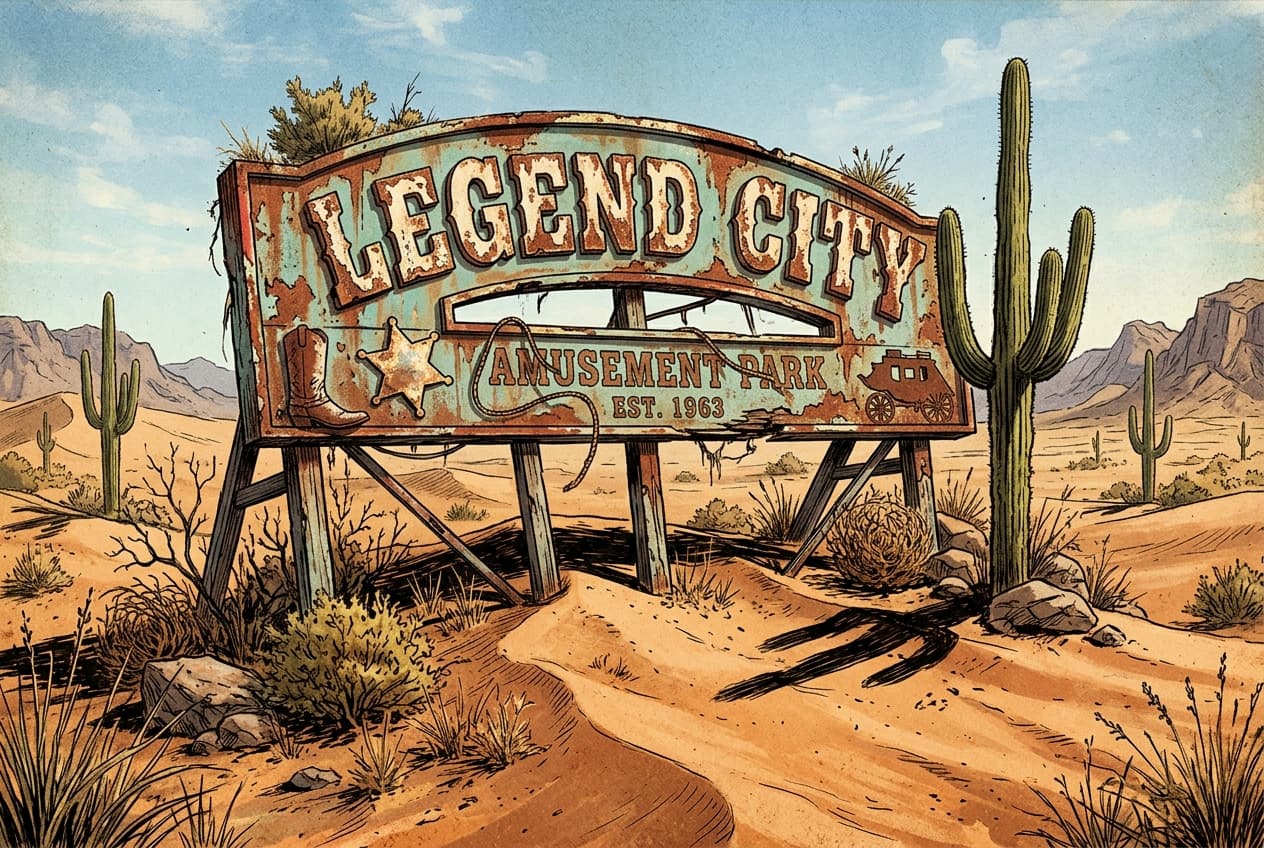
These failures show that static Western reenactments and rides are not financially viable on their own. Preservation must focus on cultural utility rather than commercial entertainment.
Successful Living History Models
Alternative open-air preservation models demonstrate that historical fidelity and active community integration create sustainable projects:
- Arrested Decay (Bodie State Historic Park, CA): Rather than building sanitized historical replicas, Bodie stabilizes standing structures against weathering while preserving their original, decayed state. This model maintains historical authenticity and lowers restoration overhead.
- Active Trade Reenactment (Colonial Williamsburg, VA): Colonial Williamsburg replaces passive exhibits with active historical trade shops, including blacksmithing, brickmaking, and tailoring. The products of these trades support the museum's operation, transforming history into a functional economy.
- Industrial Living Museums (Beamish, UK): Beamish combines heritage preservation with working public transit, operational coal mines, and steam railways. Visitors interact directly with active historical machinery, proving that functional history draws deep public interest.
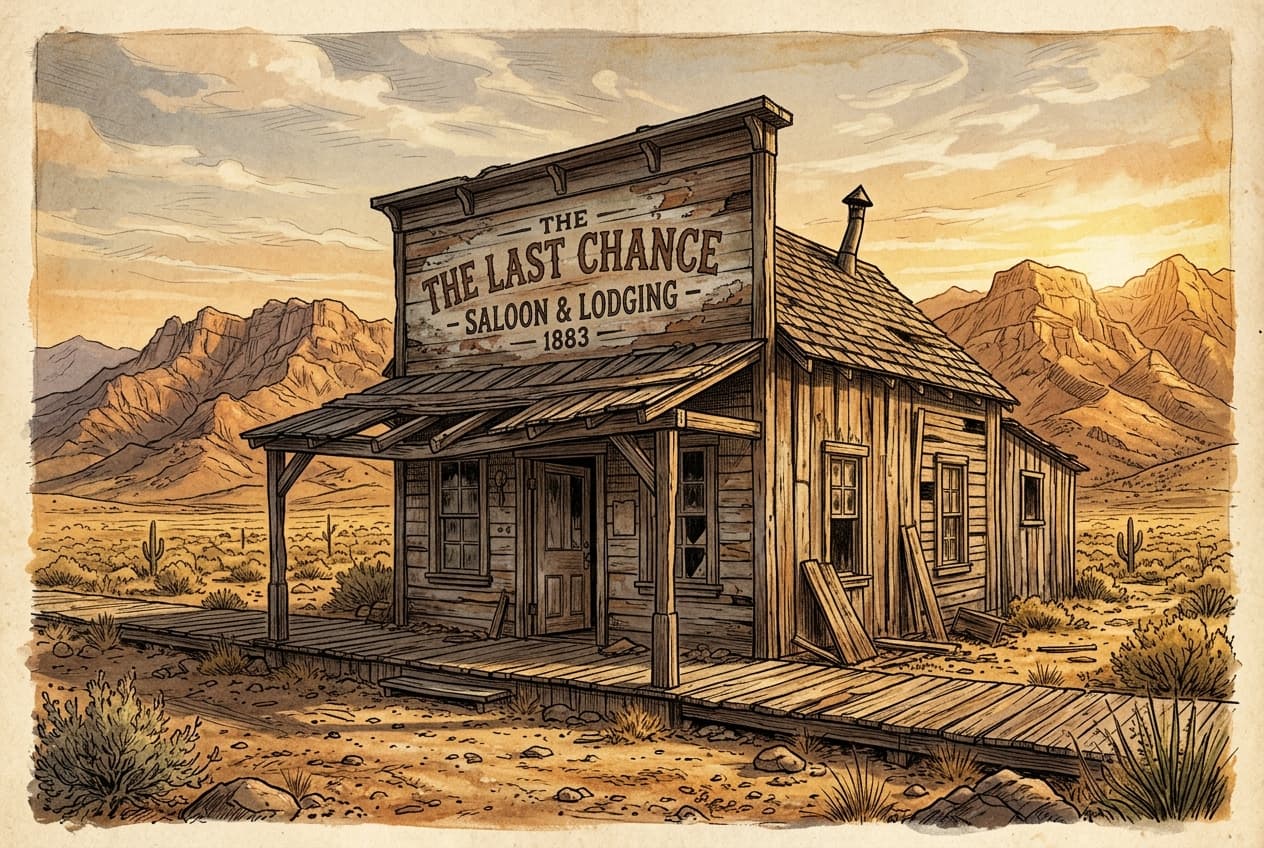
Old Tucson must adopt a hybrid model. It should combine the structural stabilization of arrested decay with the functional, working economy of trade reenactment.
Sustaining the Heritage
A project of this scale requires a dedicated effort to preserve the integrity of the original sets. The 1995 fire destroyed much of the original wooden structures, making the remaining historic elements even more precious. Preserving the remaining heritage requires authentic architecture, high-fidelity prop restoration, and strict attention to historical details.
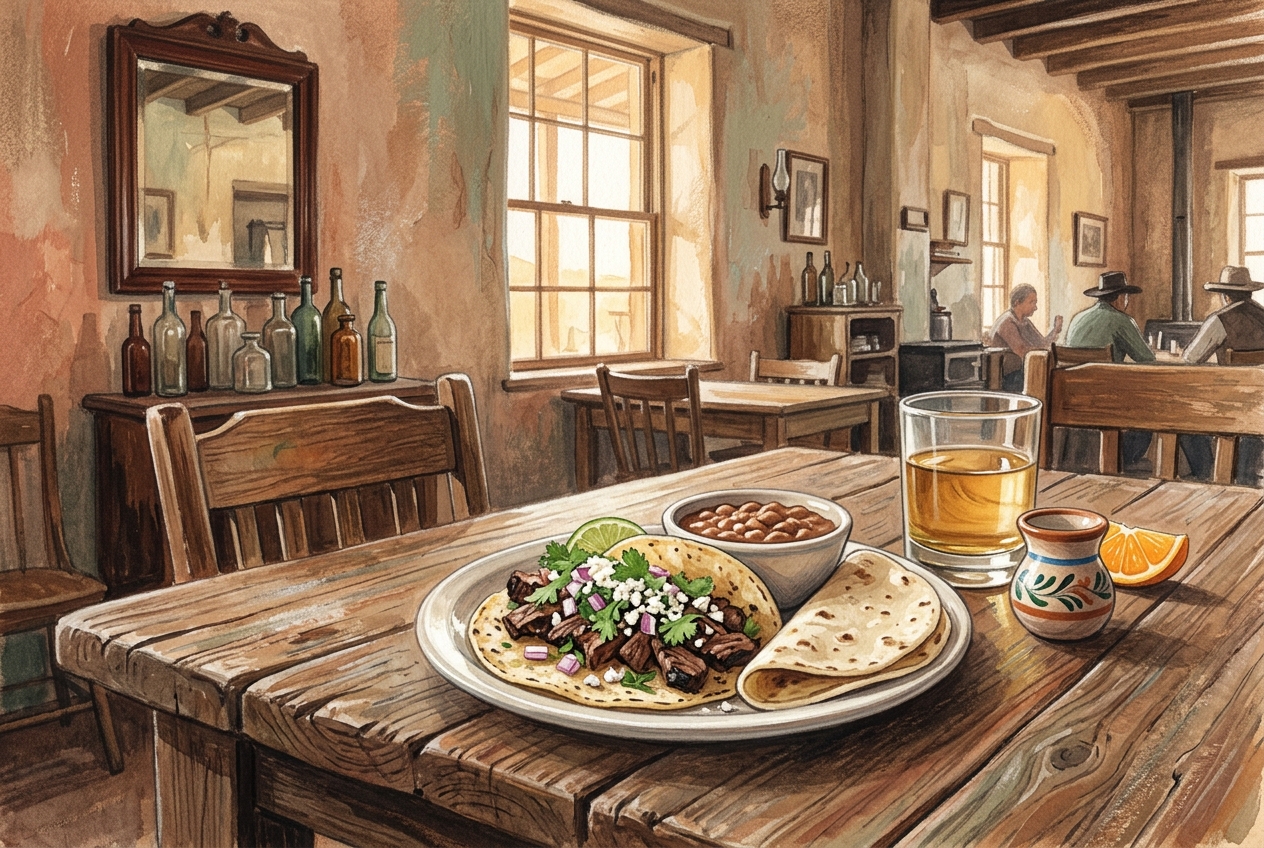
Updating the food and beverage offerings to feature authentic Sonoran cuisine, craft saloons, and locally sourced ingredients will provide a premium experience that matches the beauty of the surrounding desert.
Old Tucson belongs to the desert, to the movies, and to the people of Arizona. With a new vision, its next chapter can be its most creative yet.